
After complex surgical procedures or during critical conditions, an intensivist (critical care specialist) plays a decisive role in stabilizing the patient. A timely intensivist consultation helps assess potential risks accurately, build a comprehensive organ-support plan, and safely guide the patient through the most crucial stage of treatment.
Critical care specialists are involved not only in emergencies, but also during preoperative planning for major surgeries. A specialist evaluates the patient when the following is required:
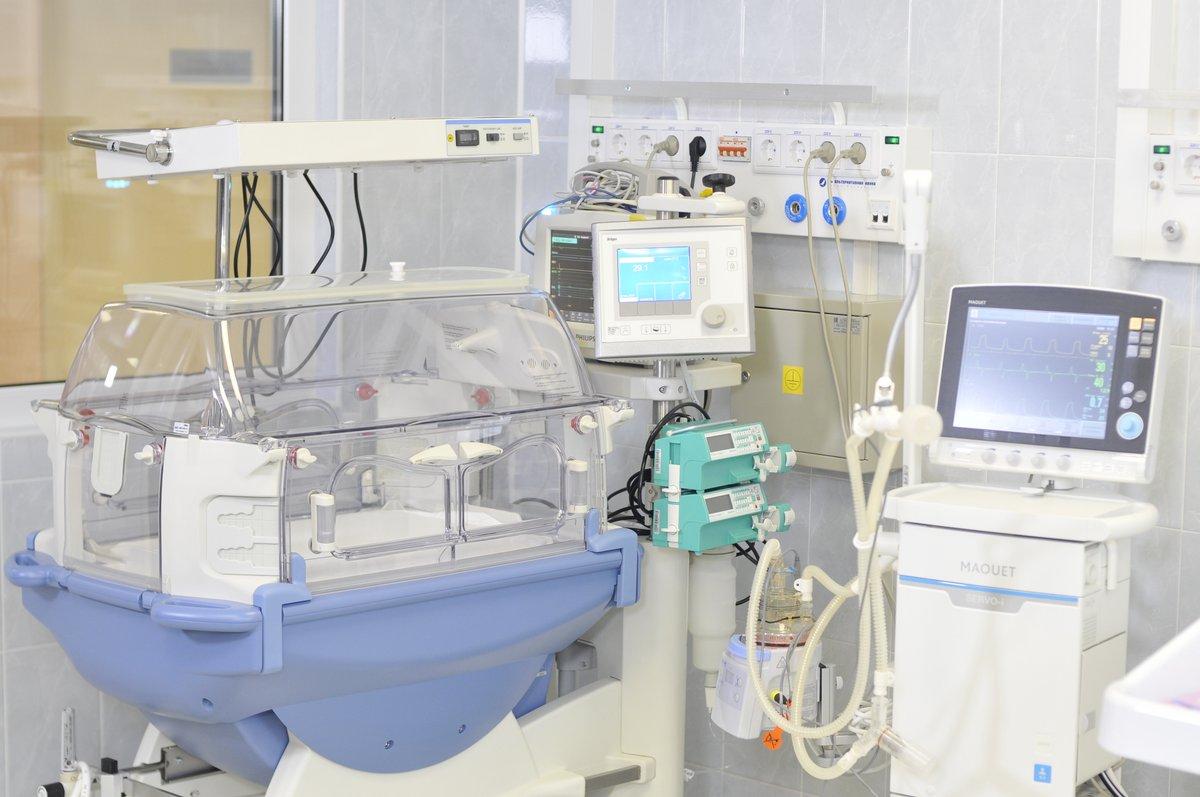
At a surgical center, round-the-clock observation and specialized support are provided by the Department of General Resuscitation and Intensive Care, equipped with modern patient monitoring systems.
Modern intensive care focuses on helping the body overcome surgical stress and preventing possible complications. During the early postoperative phase, physicians:
If a loved one is in the intensive care unit, stay in contact with the attending surgeon and intensivist during designated consultation hours. Prepare details about chronic conditions, allergies, and regular medications in advance—this information helps doctors make precise clinical decisions faster.
This material is for informational purposes only and does not replace an in-person medical consultation. Consult a specialist if symptoms worsen or when planning complex treatment.